Corded vs Cordless Woodworking Tools: What DIY Furniture Builders Should Know
You’re standing in the tool aisle. Fluorescent lights humming overhead. In one hand, a beast of a circular saw with a thick rubber cord trailing off it. In the other, a sleek battery-powered model that costs twice as much. Which one comes home with you? If you’re a DIY furniture builder, this choice dictates how your entire workshop functions. Let's cut the marketing jargon. The choice of corded vs cordless tools isn't about which is objectively superior. It's about what actually fits the way you build.
Raw, Uninterrupted Power: Why Cords Still Rule
Let's talk about torque. The kind that doesn't quit halfway through ripping a thick slab of maple. Corded woodworking tools deliver relentless, consistent power. No battery anxiety. No waiting three hours for a charger to blink green because you forgot to plug it in last night. For heavy-duty stationary gear like table saws, routers, and miter saws, cords are the only logical choice. You plug them in. They work. End of story. Plus, they usually cost significantly less upfront.
Freedom to Roam: The Battery Revolution
Now, let's flip the script. Try dragging a 25-foot extension cord around the other side of a sprawling dining table you're assembling. It catches on everything. It's infuriating. This is where cordless tools earn their keep. Drills, impact drivers, and orbital sanders thrive on mobility. Modern lithium-ion batteries pack a serious punch, and brushless motors have closed the performance gap. You grab the tool. You make the cut or drive the screw. You move on. That freedom? It's highly addictive.
The Hybrid Arsenal: What You Actually Need
You don't have to pick just one team. The smartest DIY furniture builder runs a hybrid shop. Think about it. Keep your heavy hitters tethered to the wall. Your table saw and your thickness planer? Corded, absolutely. But your hand-held drill, your brad nailer, your jigsaw? Go cordless. Any honest power tool guide will tell you the same thing. Don't force yourself into a corner out of blind brand loyalty. Build a practical workshop that doesn't drive you crazy.
The Hidden Costs Nobody Warns You About
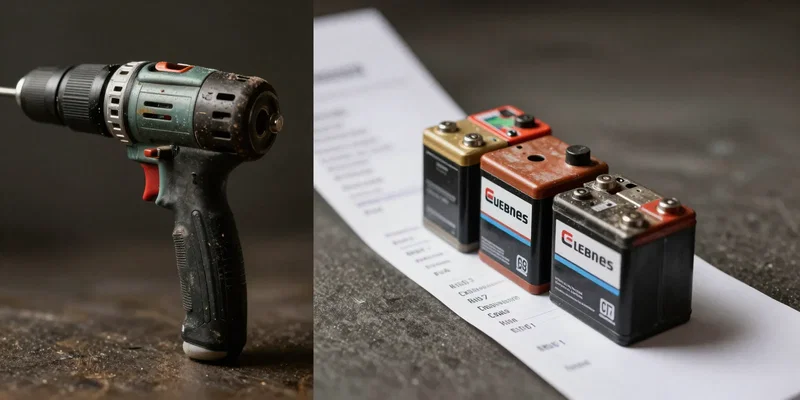
Here's the catch with cordless. You're buying into a battery platform, not just a tool. Once you buy a yellow battery, you're buying yellow tools for the next decade. Batteries degrade over time. They die. Replacing them hurts the wallet. Corded tools? I have a corded belt sander from 1995 that still aggressively eats wood like it's starving. You buy a corded tool once. Keep that in mind when you're budgeting for your next coffee table project.